
-1748434077886_v.webp)
In the shadows of Saudi Arabia’s modernisation narrative lies a dark reality, Dar al-Re'aya, or "care homes," state-run facilities for girls and women accused of disobedience or deemed "delinquent" by male guardians. Originally intended as rehabilitative centres for those convicted of crimes, these institutions now serve as detention centres for women as young as seven, often without formal charges. Hundreds are believed to be held across the kingdom.
According to activists, these homes have become tools to preserve family "honour," punishing the women instead of the perpetrators. Sarah Al-Yahia, an activist, recalled her father threatening to send her to Dar al-Re'aya for resisting his sexual abuse. "If you are sexually abused or get pregnant by your brother or father, you are the one sent to the care home to protect the family's reputation," she told The Guardian.
This stark injustice leaves many women with a painful choice: stay in an abusive household or risk abuse in the shelters. Food is scarce, beatings are routine, and some women are subjected to sexual harassment. A former inmate told MBC in 2018 they were forced to eat their own vomit. Another worker admitted to witnessing a 13-year-old being severely beaten.
ALSO READ: United Nations To Honour Two Indian Peacekeepers Posthumously For Their Sacrifice In Line Of Duty
Suicides And Solitary Confinement
Several suicide cases have emerged over the years. In 2015, a woman hanged herself in one such facility, leaving behind a note: "I decided to die to escape hell." The despair is widespread. Another inmate once said, “Dying is more merciful than living in the shelter.”
Dar al-Re'aya shelters girls and women up to age 30. Once they "complete" their time, many are transferred to Dar Al Theyafa, or “Home of Hospitality.” There, they await either a male guardian to accept them back, often the same one who disowned or abused them, or are coerced into marriage.
The Ministry of Human Resources and Social Development insists the centres are for young women who have "deviated from the right path" and need "good care" and "strengthening of religious faith." Activists, however, paint a different picture: prisons cloaked in the language of protection.
Harrowing Case Of Loujain al-Hathloul
Loujain al-Hathloul, a prominent women’s rights activist, was detained in 2014 and again in 2018. During her first arrest for defying the driving ban, she was allegedly strip-searched and placed in solitary confinement at a Dar al-Re'aya centre. After her release, she was warned not to speak of her experience.
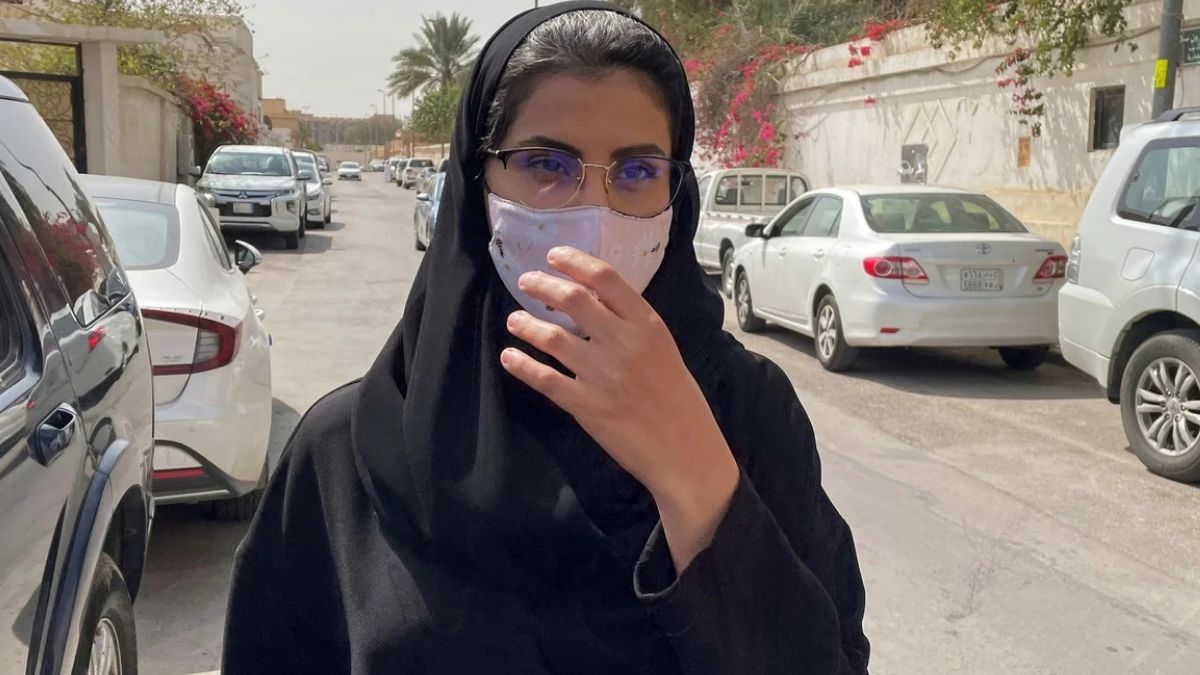
Saudi women's rights activist Loujain al-Hathloul is seen on her way to court in the Saudi capital Riyadh (Image credits: X)
In 2018, she was kidnapped from the UAE, deported to Saudi Arabia, and detained alongside other activists. While imprisoned, she was reportedly tortured, subjected to beatings, electric shocks, and threats of sexual violence. Despite international outcry, including pressure from the UN, EU, and human rights organisations, al-Hathloul was sentenced in 2020 to nearly six years in prison under terrorism charges. She was released in February 2021 but remains under a five-year travel ban.
Arbitrary Detention and Sham Legal Processes
Women can end up in these homes for fleeing domestic abuse, violating patriarchal norms, or simply "disobeying" a guardian. Rothna Begum of Human Rights Watch explained that sometimes families drop girls off at police stations and disown them, leading to automatic confinement in these institutions. In some cases, there is no legal due process. When Loujain al-Hathloul challenged her travel ban in court in 2024, the judge dismissed the case without reviewing it, claiming a lack of jurisdiction.
International Scrutiny and Resistance
UN human rights experts wrote to the Saudi government in March 2024, questioning the travel restrictions imposed on activists like al-Hathloul. The letter asked for legal justifications consistent with international human rights standards. Loujain’s case became symbolic, not just of the right to drive, but of the broader fight against Saudi Arabia's guardianship system. Her activism aims to end institutionalised male control, offering hope to the many silenced women trapped in so-called shelters.